What To Anticipate From An Annual Skin Examination
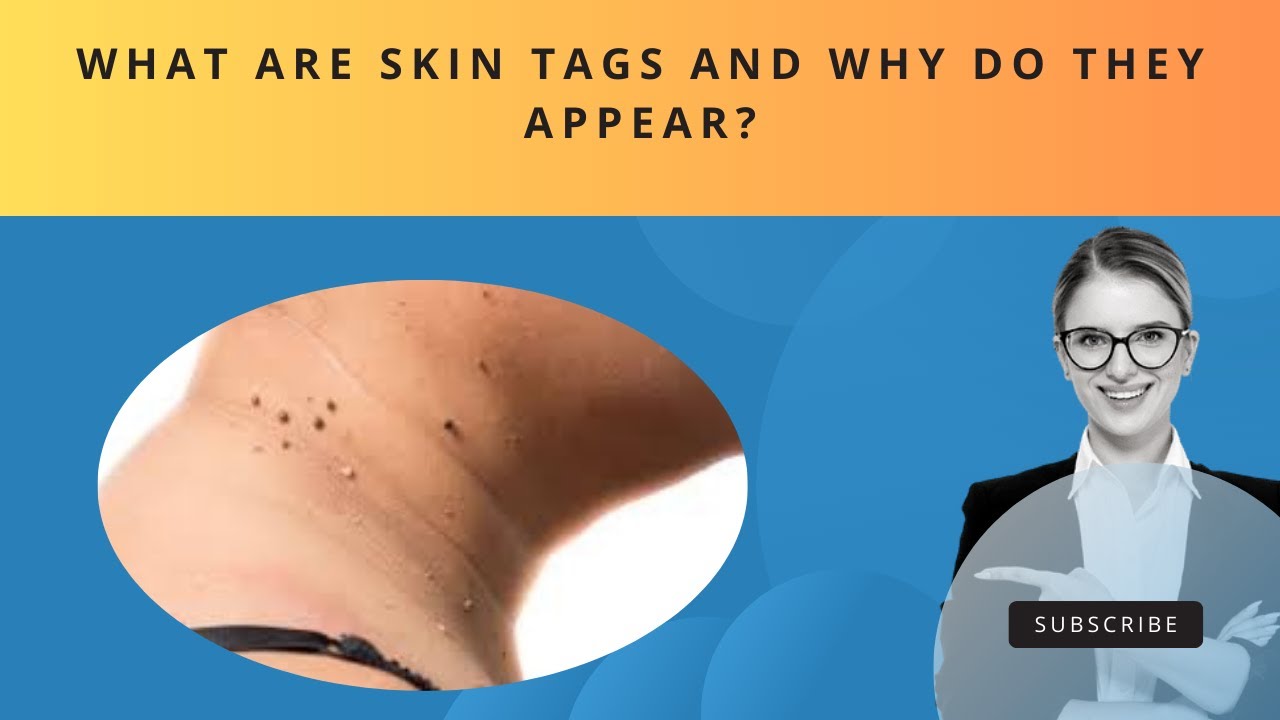
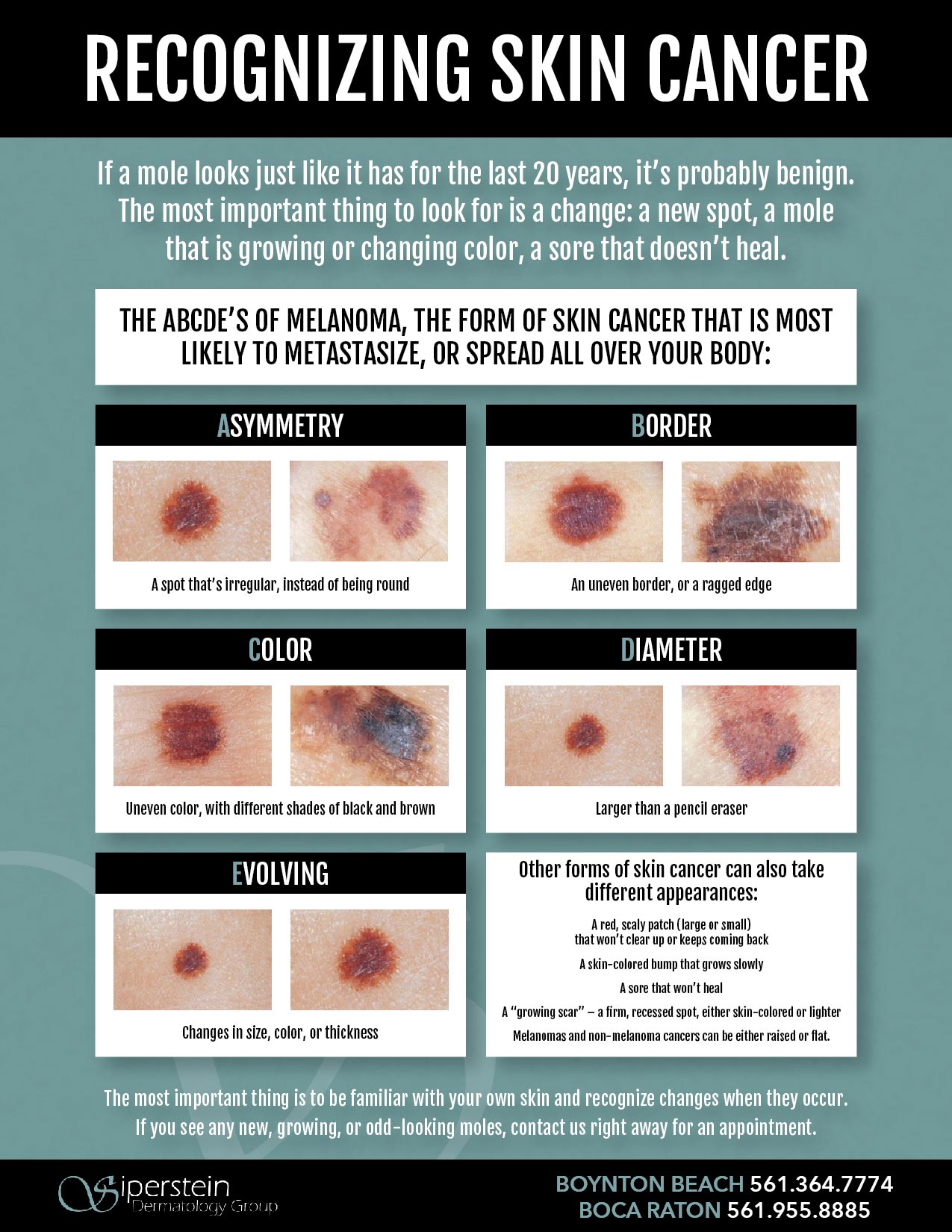
Just How To Identify Different Types Of Skin Lesions These gos to help detect adjustments long prior to they become hazardous, offering clients the most effective chance of effective therapy and long-term defense. A mole (mole) is a benign development of melanocytes, cells that gives skin its shade. Although extremely few moles come to be cancer, abnormal or atypical moles can become melanoma with time. " Normal" moles can appear level or raised or may start level and become raised gradually. Moles that might have changed into skin cancer are usually irregularly designed, consist of lots of shades, and are bigger than the dimension of a pencil eraser. Your medical care doctor likely is educated to execute a skin cancer check. However, if you go to high risk or have sun-damaged skin, see a skin doctor at our skin cancer screening center. Lots of patients wonder about the difference in between a check vs skin exam, particularly when they see something brand-new. If your concern is limited to 1 or 2 places, a spot check may be the appropriate option.
Avoidance And Very Early Discovery Are The Secrets To Skin Cancer Cells Care
It's finest to verify coverage with your insurance supplier prior to scheduling. Our office can aid determine your advantages and coverage choices. If no worrying sores are located, you'll arrange your next regular testing based upon your threat aspects. Most individuals need annual examinations, while high-risk people may require screening every 3-6 months. If you discover questionable places with indicators of skin cancer, do not stress, however don't delay.What Are Skin Lesions?
While many skin lesions are benign, some may signify underlying health issues or even skin cancer cells, that makes understanding them crucial to your overall health. Annual exams with your dermatologic doctor and monthly examinations of your skin will certainly go a lengthy means to guarantee quick and very early detection of any type of skin cancer cells. When spotted early, when the sore is still in the upper layer of the skin (skin) and hasn't spread, survival rate is 99%. If the growth has actually spread into the lymph nodes, the survival rate drops to 63%. These could suggest kinds of skin cancer cells such as basic cell cancer, squamous cell carcinoma, or cancer malignancy.- Speak with a dermatologist for persistent, excruciating, or dubious sores (e.g., altering size, shade, or shape).
- Early detection offers us the most effective possibility to treat skin cancer efficiently.
- Results consist of benign (noncancerous) growths, such as moles, excrescences and benign skin tumors.
- Early detection dramatically boosts skin cancer survival rates, as the lump can a lot more quickly be removed when it hasn't spread out.
Just how do I understand if a skin lesion is cancer?
A sore that doesn't recover after a couple of weeks, or one that appears to recover and afterwards returns. It may bleed, ooze or crust over. A spot of skin that''s a different shade and comes to be darker or adjustments shade. A flat pink/red or brown-colored spot or bump that might look like a mark.